Why OpenAI Really Shut Down Sora
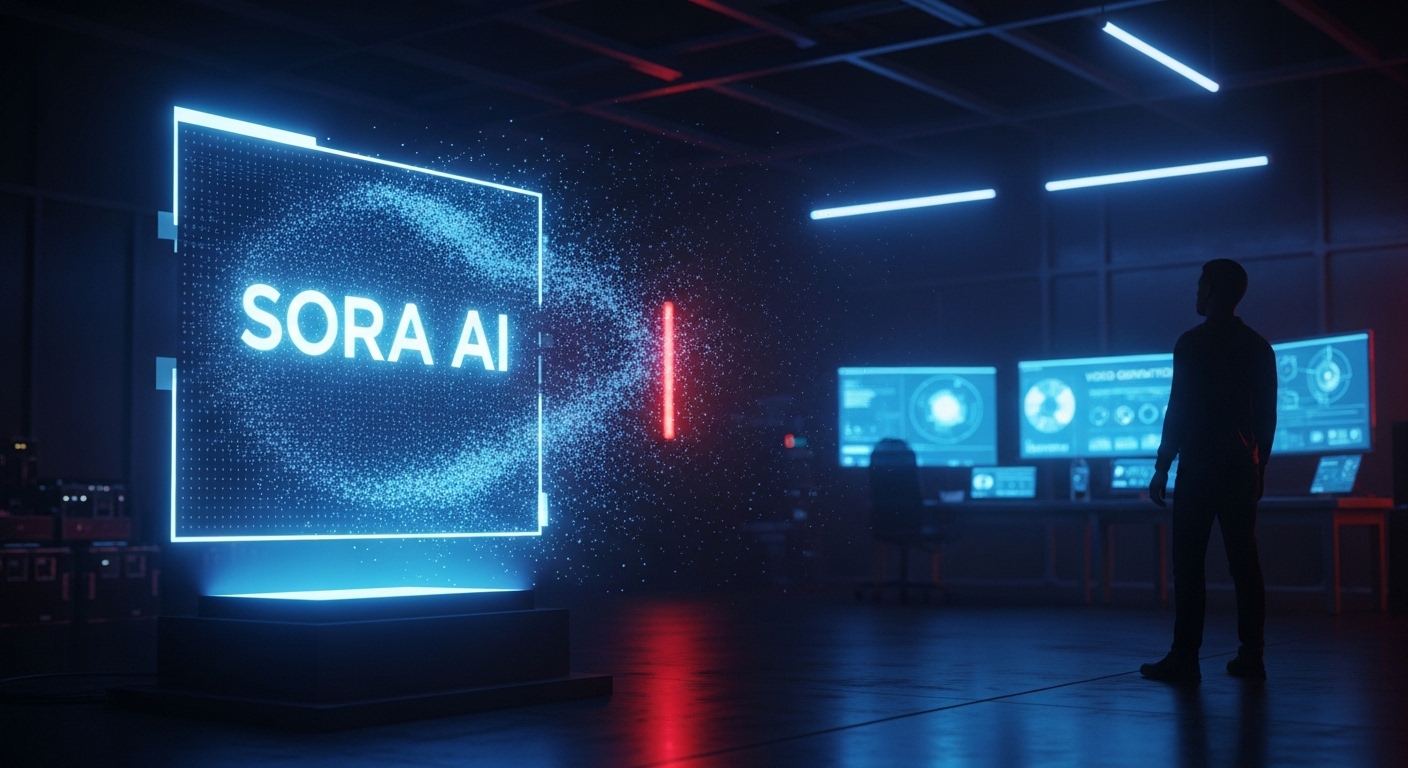
AI video generation had a breakout moment when OpenAI introduced Sora. The demos were stunning—hyper-realistic clips generated from simple text prompts.
But not long after all the hype, things went quiet. No full public rollout. Limited access. And a lot of unanswered questions.
So what actually happened? Why did Sora seemingly disappear from the spotlight?
Let’s break it down—without the fluff.
What Was Sora, and Why It Mattered
Sora wasn’t just another AI tool. It was a major leap.
Instead of generating static images like DALL·E, Sora could create full-motion videos with realistic physics, camera movement, and storytelling potential.
For creators, marketers, and filmmakers, this hinted at something huge:
- No cameras needed
- No actors required
- Entire scenes generated instantly
And that’s exactly why things got complicated.
The Real Reasons OpenAI Pulled Back
1. The Technology Wasn’t Fully Ready
The demo clips looked perfect—but they were curated.
Behind the scenes, Sora still struggled with:
- Consistency across longer clips
- Real-world physics errors
- Complex interactions between objects
In simple terms: it looked finished, but it wasn’t stable enough for mass use.
👉 Releasing it too early could’ve backfired hard.
2. Serious Safety Concerns
This is probably the biggest reason.
Sora made it incredibly easy to generate:
- Fake videos of real people
- Misleading or manipulated scenes
- Hyper-realistic misinformation
In a world already dealing with deepfakes, this raised major red flags.
OpenAI has been under pressure (especially after ChatGPT went viral) to not repeat the same “release first, fix later” approach.
3. Regulatory Pressure Was Building
Governments are catching up to AI—fast.
Launching a tool like Sora globally could trigger:
- Legal challenges
- Compliance issues
- Content liability risks
Instead of rushing, OpenAI likely chose to:
👉 slow down
👉 test privately
👉 align with upcoming AI regulations
4. Infrastructure Costs Were Massive
Generating images is one thing. Generating high-quality video?
That’s a whole different level.
Sora requires:
- Huge compute power
- Expensive GPU resources
- Scalable infrastructure
Even for a company backed by Microsoft, this isn’t cheap at scale.
👉 A public rollout without a solid monetization plan would burn cash quickly.
5. Strategic Timing (This One’s Subtle)
OpenAI doesn’t release everything immediately—and that’s intentional.
Holding back Sora could be about:
- Beating competitors at the right time
- Integrating it into future products
- Launching with a stronger ecosystem
Think about how ChatGPT evolved over time—it wasn’t static.
Sora might follow the same path.
What This Means for AI Video Tools
Sora stepping back doesn’t mean AI video is slowing down.
In fact, it’s heating up:
- Competitors are racing to build similar models
- Startups are exploring niche use cases
- Big tech is investing heavily in video AI
But it also shows something important:
👉 Powerful AI tools can’t just be released—they need control, safety, and timing.
The Bottom Line
OpenAI didn’t “kill” Sora.
They hit pause.
And honestly, that might have been the smarter move.
Because when Sora does return—and it probably will—it won’t just be a demo.
It’ll be something far more polished, controlled, and ready for real-world use.